PTSD and Relationships: What Happens When Trauma Comes Home

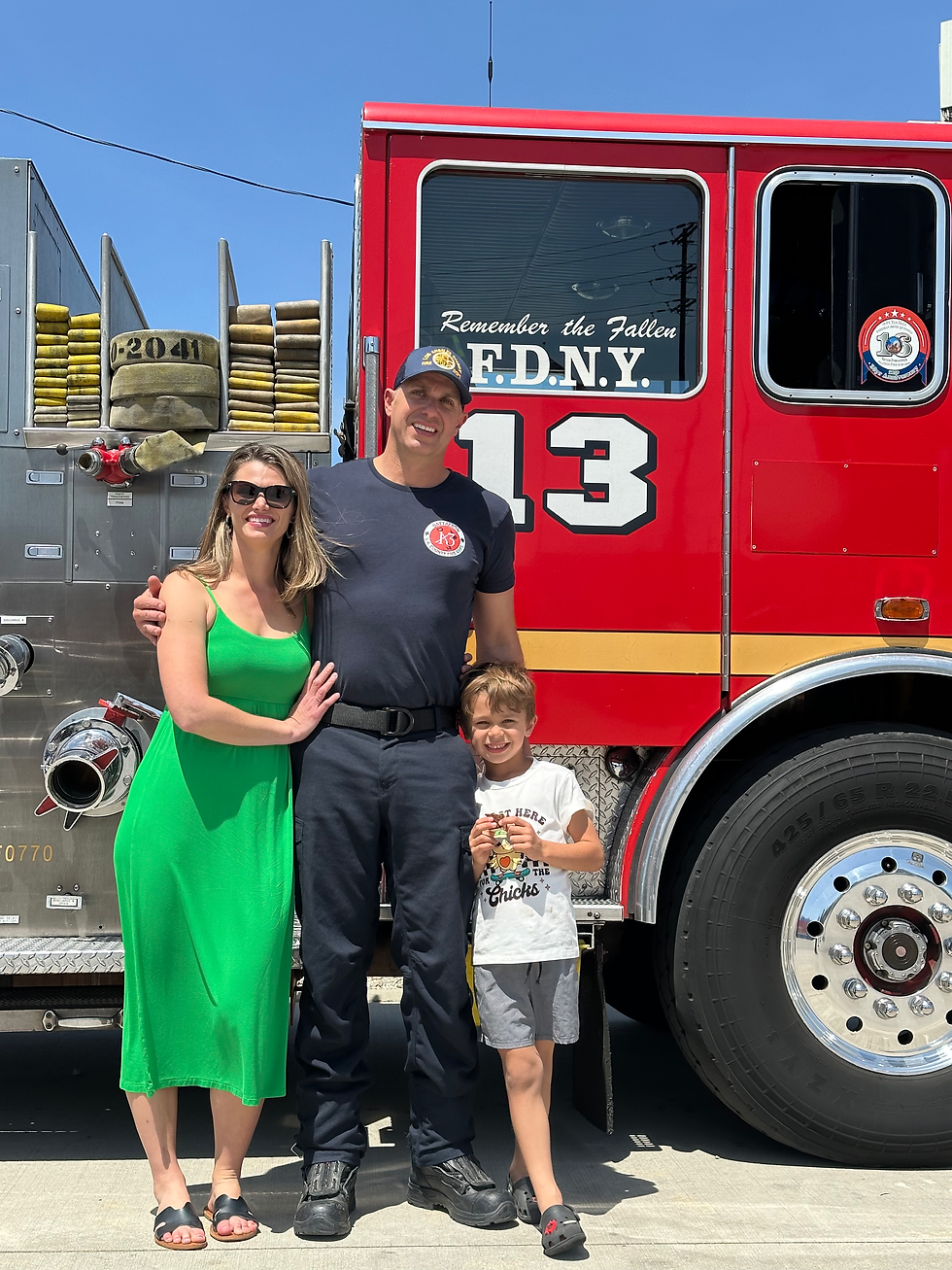
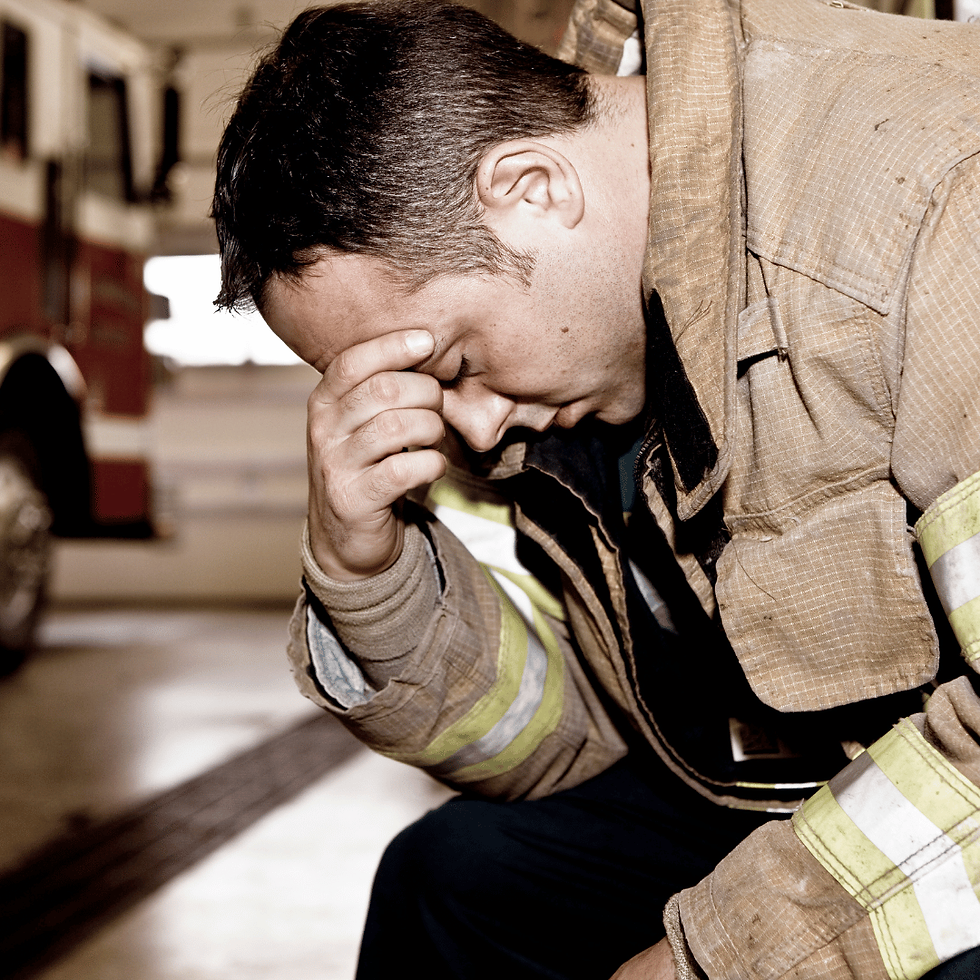
Most people see firefighters at their best, composed and capable, moving toward chaos while everyone else is fleeing from it. What most people never see is what happens when the shift ends and a firefighter walks through the front door of their own home, carrying everything the shift(s) left behind.
For LA County firefighters, there are times when the job follows them home. The weight of the calls, the accumulated stress of a career built on chronic exposure to trauma, has a way of following a person into the quietest corners of their life. And the people who feel that weight most acutely are often the ones who love them.
A 2024 peer-reviewed study found that firefighters who reported dissatisfaction in their romantic relationships experienced significantly higher levels of PTSD, depression, anxiety, and alcohol use compared to those who felt satisfied in their relationships. The connection held even after accounting for how much trauma a firefighter had been exposed to on the job.
Let's dive in.
What the Science Says About Trauma and Relationship Quality
Firefighters experience elevated rates of PTSD, depression, and anxiety compared to the general population, and that finding has been documented across decades of research. What receives far less attention is how those mental health challenges interact with the closest relationships in a firefighter's life, and what that relationship quality means for their long-term wellbeing.
A 2024 peer-reviewed study published in the American Journal of Family Therapy examined exactly that question. Researchers at the University of Houston studied 200 firefighters who were married or living with a partner, using validated clinical measures to compare mental health outcomes between those who reported satisfaction in their relationships and those who reported dissatisfaction.
The results were consistent across every measure. Firefighters who reported relationship dissatisfaction had significantly higher PTSD symptom severity, greater depression, higher anxiety, and higher alcohol consumption than those who felt satisfied in their relationships. All of those differences remained significant even after researchers controlled for trauma load, meaning the connection between relationship quality and mental health existed independently of how much occupational trauma a firefighter had accumulated on the job.
Researchers describe the likely dynamic as a negative feedback loop, where PTSD symptoms place strain on a relationship and a strained relationship makes mental health symptoms worse, with each reinforcing the other over time.
How PTSD Affects Firefighter Relationships Differently
Firefighter culture is built around resilience, and that is not a criticism of the job or the people in it. The ability to stay composed under pressure is the baseline requirement of the work, and the men and women who do this job carry that quality with them everywhere. But that same culture can make it genuinely difficult to acknowledge when the pressure is starting to accumulate somewhere closer to home.
Research has found that firefighters often deprioritize their own mental health in order to maintain stability in their relationships, while partners and spouses report frustration with shift schedules, emotional distance, and the challenge of staying connected to someone who is physically present but sometimes not fully there. The tension between those two realities, a firefighter trying to protect the peace at home and a partner trying to understand why something feels off, is where a lot of the strain quietly builds.
There is also something worth knowing that surprises many people outside this community. The majority of firefighters report seeking psychological support from a spouse or significant other before they ever reach out to peers, colleagues, or a mental health professional. That means partners and spouses are often the first people to recognize when something is wrong, and according to the same study, most firefighters who eventually do seek professional help do so because of relationship difficulties or at the direct recommendation of a partner.
That is a significant finding, because it means the partner is not just affected by what this job does to a firefighter. In many cases, the partner is the bridge to getting help.
What Spouses of Firefighters with PTSD Experience
Firefighter spouses carry something that rarely gets named out loud. They notice the signs before anyone else does: the lighter sleep, the short fuse that wasn't there a few years ago, the way a firefighter can be sitting in the same room and still feel like they are somewhere far away. They absorb a great deal, and they often do it quietly, without much acknowledgment from the world outside their front door.
The research reflects this reality directly. Partners and spouses report feeling the weight of shift schedules on shared household responsibilities and emotional connection. That strain is real, it is documented, and it deserves to be said plainly. A career in the fire service is not something a firefighter carries alone, and the families behind the badge are part of this story whether the world sees them or not.
What the data also makes clear is that relationship quality may be one of the most meaningful protective factors for firefighter mental health. Firefighters who felt satisfied in their relationships reported lower severity of PTSD symptoms, depression, anxiety, and alcohol use compared to those who did not. That is not a small finding. A strong, supported partnership does not just make life better in a general sense. According to the research, it may make outcomes meaningfully better across some of the most serious health challenges this population faces.
How Fire Families Can Find Support
This is not a post about prescribing what anyone should do, because the research does not point to simple answers and neither does the lived reality of this community. What it does point to is the value of awareness, and the importance of reducing the stigma around asking for help before things reach a breaking point.
Couples-focused mental health resources, peer support programs, and firefighter-specific counseling services exist for many departments, and knowing those options are available is a meaningful starting point. Researchers who study this population have noted that providers working with firefighters should consider evaluating relationship satisfaction alongside standard mental health screenings, because the two are so closely connected. That is not a prescription. It is a recognition that the whole picture matters when it comes to supporting the health of the people who do this work.
How the LA County Firefighters Welfare Fund Supports Firefighter Families
The Los Aneles County Firefighters Welfare Fund exists because the job affects the whole family. Financial hardship, health challenges, and family strain are part of the reality for the people behind the badge, and when LA County firefighters and their families face those moments, the fund is there with direct assistance. No bureaucracy, no red tape, just support for the people who need it most.
That is the mission. That is the work.
Stand With those Behind the Badge
If the families of LA County firefighters matter to you, we would love to have you in our corner. Follow us on Instagram and Facebook, and if you are moved to give, your donation goes directly to the firefighters and families who need it most.